
The Moving-Closer-to-Family Checklist - Digytalia
Home Real Estate

The Moving-Closer-to-Family Checklist

Moving to be closer to family is one of the most common reasons people decide to sell, and one of the most emotionally loaded. The new chapter is exciting. You picture Sunday dinners, school pickups, and grandkids who live ten minutes away instead of ten hours. But before any of that can happen, there’s a house to deal with, and it rarely cooperates with your timeline.

If you’re in this position, the good news is that the process becomes far more manageable when you tackle it in the right order. Here’s how to think it through.

Start With the Calendar, Not the Listing

Before you call an agent, price a dumpster, or browse homes in your new city, decide when you need to be moved. This single date shapes every other decision. A job start date, a school semester, a family milestone, or a lease ending somewhere else all create a deadline, and some deadlines are firmer than others.

A traditional sale can work beautifully when you have flexibility. You prepare the house, list it, host showings, negotiate, wait for a buyer’s financing and inspection, and close when everything lines up. For some people that takes a couple of months, and for others considerably longer. If your deadline is tight, or if you simply don’t want an open-ended wait hanging over the move, you’ll want to consider options that offer more certainty about the closing date.

Be Honest About the Condition of the House

Most homes that have been lived in for years carry a quiet list of postponed repairs. Maybe the roof is aging, the air conditioner needs more attention each summer, or there’s a small leak you’ve been meaning to chase down. When you’re staying put, these items can wait. When you’re selling, they become negotiating points, and buyers and inspectors tend to notice every one of them.

You then face a real decision. You can invest time and money into repairs and updates to appeal to the widest pool of buyers, or you can sell the home as it is and accept that the price will reflect its condition. Neither choice is wrong. The right answer depends on how much cash you can put into the house up front, how much energy you have for managing contractors, and whether you’ll even be in town to oversee the work. Managing a renovation from a different city is a special kind of headache.

Weigh Your Three Realistic Paths

Most sellers in a relocation end up choosing between three routes. The first is to renovate and list with an agent, which can maximize the sale price but demands the most time, money, and coordination. The second is to list the house as-is with an agent, which cuts down on prep work but may bring lower offers and more negotiation after inspections. The third is to sell directly to a buyer who purchases homes in their current condition, which usually trades some potential sale price for speed, simplicity, and a closing date you largely control.

It helps to hear how other people have weighed these trade-offs. One San Antonio couple moving to Austin to be near family shared their story about their experience selling to a cash house buyer, including why they skipped repairs, how they researched companies, and what gave them confidence at closing. Their situation, a long-held home with several overdue fixes and a firm desire to move quickly, is a familiar one, and their reasoning is a useful model for thinking through your own priorities.

The Moving-Closer-to-Family Checklist - Digytalia

Pick a Closing Window That Fits Your Move

Once you’ve chosen a path, be specific about timing with whoever you’re working with. If you need two weeks to pack, coordinate movers, and handle utilities, say so at the outset. If you need a month, say that instead. A reputable buyer or agent will build the schedule around your needs rather than the other way around.

It’s also worth thinking about the order of events. Many people find it stressful to close on the old house before they have a place to land, while others prefer the certainty of a finished sale before committing to something new. Neither approach is universally better, but you should choose deliberately rather than letting the process choose for you.

Decide What Stays and What Goes

Decades of living in one place produce an astonishing amount of stuff. Before moving day, walk through each room and sort belongings into what’s coming with you, what’s being donated or sold, and what you’re willing to leave behind. That last category matters more than people expect. Some buyers are comfortable taking a house with furniture or leftover items still inside, which can save you days of hauling and cleaning. Others require it to be empty. Ask early, and get the answer in writing, so you’re not scrambling in the final week.

Resist Planning the New Place Too Soon

Browsing homes in your new city is fun, and it’s easy to get ahead of yourself by picking out paint colors for a house you haven’t bought. But until your current home has a firm sale and a confirmed closing date, you can’t commit to anything with confidence. Hold the daydreaming loosely, and save your serious decisions for after the old house is secured. You’ll make better choices about budget, neighborhood, and timing when you’re not guessing about what your sale will bring in.

Don’t Skip the Goodbye

Finally, give yourself permission to feel something about leaving. A house where you’ve celebrated birthdays and weathered hard seasons isn’t just a transaction. Take photographs of each room. Gather the small things that carry meaning. Walk through one last time, maybe with the family, before the keys change hands.

Selling a home to move closer to the people you love is ultimately about gaining something, even when it means letting something go. Get the timeline clear, be realistic about the house, choose the path that fits your life, and give yourself room to enjoy what comes next.
Choosing the Right Metal Roofing Company - Digytalia
Construction Home

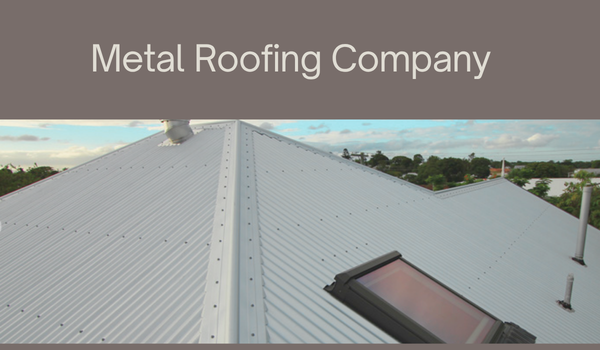
Choosing the Right Metal Roofing Company

Most guides to picking a roofing contractor read like checklists pulled from a consumer protection pamphlet: check licensing, get three quotes, ask for references. All of that is reasonable advice, but it doesn’t capture what the decision actually feels like from the inside, sitting at a kitchen table with three estimates in front of you that all sound confident and all quote different prices for what’s supposedly the same job. Toronto homeowners who’ve been through this process describe it less as a checklist exercise and more as a series of small judgment calls that add up to trusting one company with a project that’s expensive to get wrong.

The First Call Tells You More Than the Website

Before a single estimator sets foot on the roof, the initial phone call or email exchange usually reveals a lot about how a company operates day to day. Does someone actually pick up, or does every inquiry disappear into a generic contact form with no response for days? When they do respond, do they ask specific questions about the age of the current roof, the type of house, and whether there have been past leaks, or do they jump straight to scheduling a sales visit? Homeowners who’ve gone through several estimates often say the companies that asked more questions upfront tended to be the ones that gave more accurate, less padded quotes later on, simply because they weren’t guessing at the scope of the job.

Watching How They Walk the Roof

An estimator who spends fifteen minutes glancing at the roof from the driveway and then produces a number is a different kind of experience than one who actually gets on the roof, or at minimum climbs into the attic to check the underside of the decking and the state of the insulation. Metal roofing in particular depends on the condition of what’s underneath it, since panels installed over damaged or improperly ventilated decking can trap moisture in ways that shorten the roof’s life considerably. A thorough estimator will usually flag potential issues, like inadequate soffit ventilation or signs of past ice damming, before the contract is even written, rather than discovering them mid-project and treating it as a surprise change order.

Comparing Quotes Without Getting Fooled by the Bottom Line

Three quotes for the same house can differ by thousands of dollars, and the instinct to simply pick the middle number or the cheapest one misses what’s actually driving the gap. Panel gauge, coating warranty length, whether the quote includes full tear-off versus installing over existing material, and the type of underlayment specified all affect price in ways that aren’t obvious from a single total figure. Homeowners who’ve done this well tend to request an itemized breakdown from each company and lay them side by side, rather than comparing headline numbers, because that’s usually where the real differences in what’s being offered become visible.

Choosing the Right Metal Roofing Company - Digytalia

The Contract Details That Matter More Than People Expect

A surprising number of roofing disputes in Toronto trace back to vague language in the original contract rather than outright bad workmanship. Details like who’s responsible for disposing of the old roofing material, what happens if rotted decking is discovered once tear-off begins, and the exact payment schedule tied to project milestones all deserve to be spelled out in writing before work starts. A company willing to put these specifics in the contract without pushback is generally signaling that they don’t expect disputes to arise, while vague or verbal-only assurances tend to become a problem exactly when they’d matter most.

Learning From People Who’ve Already Made the Call

Formal reviews and testimonials only tell part of the story, and a lot of the more useful, specific detail tends to surface in casual homeowner conversation rather than curated feedback. In one local discussion, a homeowner mentioned going with a smaller, locally based company over a larger regional outfit specifically because the owner answered questions personally throughout the process rather than routing everything through a sales rep who disappeared once the contract was signed. That kind of firsthand account, weighing a specific tradeoff between company size and communication style, is hard to find anywhere outside of homeowners talking directly to each other about their own experiences.

Small Company or Larger Outfit

There’s no universally correct answer to whether a smaller, owner-operated roofing company or a larger, more established one is the better choice, and the right fit tends to depend on what a homeowner values most. Smaller companies often provide more direct communication and a greater sense of personal accountability, since the person who sold the job may also be the one showing up to check on it. Larger companies typically carry more resources for handling unexpected complications, broader crews to keep a project on schedule even if someone calls in sick, and sometimes stronger backing on warranty claims years down the line, since they’re less likely to have gone out of business by the time an issue surfaces. Weighing which of those tradeoffs matters more for a specific project is a personal call, not a universal rule.

Trusting the Process, Not Just the Paperwork

By the time a homeowner has made a handful of calls, sat through a few estimates, and compared itemized quotes side by side, a pattern usually starts to emerge on its own. The company that answers questions directly, puts specifics in writing without resistance, and demonstrates real familiarity with metal roofing rather than treating it as an unfamiliar add-on to their usual shingle work tends to stand out clearly by the end of that process. It rarely comes down to one single deciding factor, but rather the accumulation of small signals that either build confidence or quietly erode it, long before the first panel ever goes up on the roof.

Why More Electricians Are Keeping a Borescope in the Truck - Digytalia
Home

Why More Electricians Are Keeping a Borescope in the Truck

Ask any electrician what eats up the most unpaid time on a job, and a good number will say the same thing: figuring out what’s actually going on inside a wall before you can even start the real work. A breaker keeps tripping, a light flickers for no obvious reason, or a homeowner mentions a burning smell they can’t quite place, and the only way to know what’s happening is to open something up. That used to mean cutting drywall, pulling ceiling tiles, or crawling into a space nobody wants to crawl into, just to confirm a hunch that might turn out to be wrong.

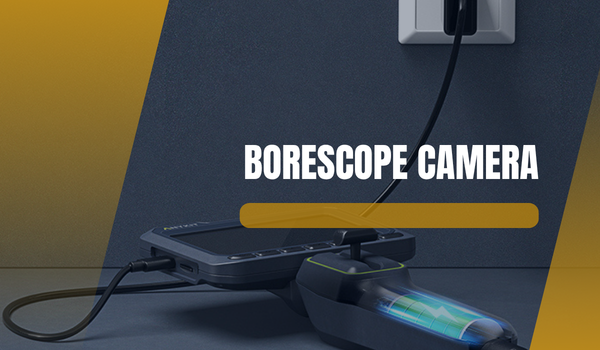
A borescope changes that math. Feed a slim camera probe through a knockout, an outlet opening, or a small drilled hole, and you get a live picture of the wire run, the junction box, or the conduit path without touching a single screw of finished surface. For a trade where time on site is money and every unnecessary hole is a callback waiting to happen, that’s not a gadget, it’s a way of working smarter.

The Real Value Isn’t the Camera, It’s the Decision It Lets You Make

There’s a temptation to think of a borescope as just a diagnostic toy, something that’s nice to have but not essential. In practice, it changes the order of operations on a job. Instead of cutting first and inspecting second, you inspect first and cut only where you know something needs fixing. That single change in sequence removes a huge amount of guesswork, and guesswork is where electrical jobs go over budget and over schedule.

It also changes the conversation with the client. Telling someone “I think the wiring is damaged behind this section” is very different from showing them a live feed of scorched insulation or a chewed-through cable run. Homeowners and property managers are far more willing to sign off on repair work when they’ve actually seen the problem rather than taken your word for it. That kind of visual evidence has quietly become part of how electricians justify estimates and settle disputes before they start.

Safety is the other half of the equation, and it’s easy to underrate. Reaching into a panel or a cavity blind, even briefly, carries risk that a camera simply removes. You’re not guessing where a live conductor sits or what’s sharing space with a wire you’re about to work near. The probe goes in first, your hand goes in second, and only once you know what you’re dealing with.

Why More Electricians Are Keeping a Borescope in the Truck - Digytalia

Not Every Camera Is Built for This Kind of Work

Where people sometimes go wrong is assuming any inspection camera will do. A borescope built for checking engine cylinders or plumbing lines isn’t automatically suited to electrical work, and the differences show up fast once you’re on a real job. Probe diameter determines whether the thing fits through a standard knockout at all. Cable length determines whether you’re limited to close-range checks or can trace a run through several stud bays. Screen quality determines whether you can actually tell the difference between discoloration from age and discoloration from heat damage, which matters a great deal when you’re deciding whether something needs to be replaced today or can wait.

Articulation is the feature people underestimate the most until they’ve used one that has it. Wall cavities are rarely a straight shot. There’s blocking, insulation, other trades’ work sharing the space, and wiring that doesn’t run in a convenient line. A probe that can only look straight ahead misses a lot. One that can steer around a corner or angle back toward the access point catches details a fixed camera simply won’t.

Given how much these specs vary between models, spending a bit of time on narrowing down the best borescope for electricians pays off far more than grabbing whatever inspection camera happens to be cheapest online. The gap between a tool that genuinely fits the trade and one that technically has a camera on a cable is bigger than most people expect until they’re standing in an attic trying to make one work.

The Accessories Nobody Mentions Until They Need One

Once the camera itself is sorted, the next thing that trips people up is assuming the probe alone covers every situation. It doesn’t. Electrical work has a habit of producing small, specific problems that the camera can help you find but can’t help you solve on its own. A screw drops into a junction box and disappears from view. A cable needs to be guided around an obstruction rather than just observed. A corner needs to be seen from an angle the probe can’t naturally reach.

This is where the right add-ons earn their keep. A magnetic tip retrieves dropped hardware without opening up the wall further to reach it by hand. A small hook does the same job for non-metallic debris or a cable end that’s slipped out of reach. A mirror attachment angled off the probe tip lets you see around a bend that would otherwise be a blind spot, which matters more than people expect when inspecting the inside of a box or a tight conduit elbow. None of these cost much or take up meaningful space in a tool bag, but each one turns a “we’ll have to open it up to grab that” moment into a two-minute fix.

If your current setup doesn’t include these, it’s worth checking where you can get borescope accessories that actually match your probe’s connector type, since not every attachment fits every camera without an adapter.

Building the Habit, Not Just Owning the Tool

The electricians who get the most out of a borescope aren’t necessarily the ones with the most expensive model. They’re the ones who’ve made inspecting first a routine part of the job rather than a step they reach for only when something’s already gone wrong. That habit, paired with a camera suited to the trade and a few well-chosen accessories, turns a tool that could sit unused in a drawer into something that quietly saves a job, a client relationship, or an afternoon almost every week.

Building a Content Illustration Pipeline With the GPT Image 2 API - Digytalia
AI Technology

Building a Content Illustration Pipeline With the GPT Image 2 API

Publishers, blogs, and content platforms have long faced the same bottleneck. Written content moves fast, but sourcing or creating matching visuals rarely keeps pace. Stock photography feels generic, commissioning original illustration is slow and expensive, and manually searching for the right image for every article does not scale past a handful of posts a week. GPT Image 2 offers a practical way to close that gap, and building a proper pipeline around it turns image generation from a one off task into a repeatable part of the publishing workflow.

Why Automated Illustration Makes Sense for Content Teams

Every piece of published content benefits from a visual anchor, whether that is a featured image, an in-line diagram, or a thumbnail used for sharing on social platforms. Producing these manually for every article consumes time that could go toward writing or editing, and outsourcing the work introduces delays that do not match the pace most content teams need to operate at.

GPT Image 2 handles this well because it can follow detailed instructions closely, meaning a pipeline can generate visuals that actually reflect the subject matter of an article rather than relying on loosely related stock photography. Its strength with embedded text also makes it useful for graphics that need a headline, a labeled diagram, or a pull quote rendered directly into the image itself.

Designing the Pipeline Structure

A reliable illustration pipeline generally starts with extracting a short summary or set of keywords from an article, either through a simple heuristic or a separate language model pass, and using that as the basis for an image prompt. Rather than feeding an entire article into a prompt, a distilled description of the core subject and tone tends to produce more focused, usable results.

From there, the pipeline sends the constructed prompt to the API, along with parameters suited to the intended use, such as a wider aspect ratio for a featured image or a square format for a social thumbnail. Building in a review step, even a lightweight one where a generated image gets flagged for approval before publishing, helps catch the occasional mismatch between prompt intent and actual output before it goes live.

Storing successful prompt templates by content category, such as separate templates for technical articles, opinion pieces, or product announcements, helps the pipeline improve over time rather than treating every new article as a completely fresh prompt writing exercise.

Handling Volume and Consistency

Content platforms publishing regularly need a pipeline that holds up across dozens or hundreds of articles without producing wildly inconsistent visual styles. Establishing a consistent prompt structure, one that always specifies a similar color treatment, composition style, or visual tone regardless of subject matter, helps maintain a recognizable look across an entire publication rather than a disjointed mix of unrelated visual styles.

Batching generation requests during off peak hours, rather than generating images the moment an article is published, can also help manage cost and avoid unnecessary pressure on rate limits, particularly for platforms that publish in bursts around a specific schedule.

Building a Content Illustration Pipeline With the GPT Image 2 API - Digytalia

Managing Cost Across a Growing Content Library

Cost becomes a real consideration once a pipeline scales beyond a handful of test articles. Every generation, and every retry triggered by an unsatisfying result, adds to a running total that grows in direct proportion to publishing volume. Content platforms that treat image generation as an unlimited resource during initial testing sometimes find the actual cost surprising once the pipeline runs continuously across a full content calendar.

Reviewing prompt templates periodically to reduce retry rates, and choosing resolution settings appropriate to where an image will actually be displayed rather than defaulting to the highest quality available, both help keep this cost proportional to the value each illustration adds to a piece of content.

Getting Access and Starting Small

Teams exploring this kind of pipeline do not need to build the full system before testing whether the underlying approach works. A smaller first step, generating illustrations for a handful of recent articles and comparing the results against what a stock photo search would have returned, gives a clear, low risk sense of whether the quality justifies building a full automated pipeline. You.bot is a platform offering access to a range of AI models alongside an interactive Playground for testing prompts before writing any code. Developers can access the GPT Image 2 API here. You.bot provides both the production API needed for pipeline integration and a testing environment for trying prompt structures on real article summaries before automating anything.

Starting with this kind of manual testing phase, refining prompt templates against real content before automating anything, tends to produce a far more reliable pipeline than jumping straight into full automation based on assumptions about how the model will handle a publication’s specific subject matter and tone.

Expanding the Pipeline Over Time

Once a basic version proves reliable, most content teams find natural points to expand it further. Generating multiple image variants per article and letting an editor choose the best one adds a layer of quality control without slowing down the overall process significantly. Extending the same pipeline to produce social media specific formats, using the same underlying prompt with adjusted aspect ratios, gets more value out of each piece of generated content without duplicating the prompt writing effort.

Some teams eventually build in feedback loops, tracking which generated images perform well in terms of engagement or click through rate, and feeding that information back into how future prompt templates get written. This turns the illustration pipeline into something that improves continuously rather than staying static after the initial build.

A well built content illustration pipeline built around GPT Image 2 removes one of the more persistent bottlenecks in digital publishing, giving teams a fast, consistent way to visually support their written content without the delays and generic feel that come with relying entirely on stock imagery or manual sourcing.

The Garage Game-Changer - Digytalia
Home

The Garage Game-Changer

If you’ve ever tried to maneuver a heavy cruiser or a touring bike in a cramped garage, you know the drill. The sweat. The swearing. The awkward shuffle of handlebars and mirrors scraping against walls. It’s not just inconvenient – it’s exhausting. And let’s be honest, it takes the joy out of what should be your sanctuary: the garage where your bike lives.

Backing down an incline? That’s a circus act. Shoving your bike sideways into a corner? A gamble. Every rider has faced that moment when gravity feels like the enemy. And every rider has wished for a smarter way.

Enter the Pro Lift

The Let’s Roll Motorcycle Pro Lift isn’t just another piece of gear – it’s the answer to every garage headache you’ve ever had. Slide it under your bike while it’s resting on the kickstand. Crank it up. Suddenly, your 900-pound beast is floating, stable, and ready to move. No straps. No tie-downs. No second set of hands. Just you, your bike, and a lift that makes you feel like you’ve hacked physics.

This motorcycle lift doesn’t just raise your motorcycle – it raises your expectations of what garage life should be.

Built Like a Tank, Moves Like a Dream

Here’s the thing: most lifts are either flimsy or overcomplicated. The Pro Lift is neither. It’s forged from USA steel, powder-coated in matte black, and designed with replaceable screw action and ball bearings that keep wear to a minimum. Translation? This isn’t a disposable gadget. It’s a lifetime tool.

And yet, despite its rugged build, it moves with elegance. Pair it with a swivel head ratchet or even a drill, and you’ll raise your bike without breaking a sweat. Once lifted, the industrial-grade rubber crossbars grip your motorcycle like a vice. No slipping. No sliding. Just confidence.

Control Without Compromise

Imagine this: you lift your bike, spin it effortlessly, and tuck it neatly against the wall. Done. No more awkward three-point turns. No more praying you don’t tip over. The Pro Lift gives you total control in spaces that used to feel impossible.

One rider put it perfectly: “I don’t walk my bike around anymore. I lift, spin, drop, and go.“ That’s the kind of freedom this lift delivers.

The Garage Game-Changer - Digytalia

Tested to the Limit

This isn’t marketing fluff. The Pro Lift has been tested to failure – literally pushed until it broke – then redesigned to exceed expectations. That’s how you know it’s not just theory. It’s engineering proven in the shop, refined for real riders.

With a 1200 lb capacity, it laughs at the weight of baggers, cruisers, and touring bikes. And at just 15 x 12 inches, it’s compact enough to slide under your ride without fuss. Low profile when resting, high clearance when raised. It’s the sweet spot every rider needs.

Why It Matters

Because your garage should be a place of pride, not panic. Because your bike deserves better than balancing acts and near misses. And because you deserve a tool that makes wrench time and storage effortless.

Think about it: how much is peace of mind worth? How much is avoiding a dropped bike worth? The Pro Lift isn’t cheap – but neither is repairing a cracked fairing or dented tank. This is an investment in confidence, convenience, and control.

The Bottom Line

The Let’s Roll Motorcycle Pro Lift is more than a lift. It’s a garage game-changer. It’s the difference between wrestling your bike and owning your space. It’s the confidence to move, store, and maintain your motorcycle without fear.

If you’re tired of fighting gravity, tired of cramped corners, tired of the stress that comes with moving a heavy bike – this is your solution. Strong enough to handle the weight. Smart enough to make it easy. Durable enough to last a lifetime.

Extraordinary control. Effortless maneuverability. Built for riders who demand better.

The Pro Lift isn’t just a tool. It’s freedom, forged in steel. And once you use it, you’ll wonder how you ever lived without it.

Led High Bay Lights
Business Technology

Commercial High Bay Lights: High-Efficiency Industrial LEDs

Your facility is losing money every second your old metal halide bulbs hum. High energy bills and constant maintenance cycles drain your profits. Commercial High Bay Lights represent the most effective way to reclaim those lost margins while improving worker safety. As we enter 2026, energy standards are stricter than ever. Traditional lighting simply cannot keep up with these new demands. Modern LED solutions provide the lumen output you need at a fraction of the cost. They turn dark, dangerous workspaces into productive environments. You deserve a setup that works as hard as your team does.

Why Upgrade to Energy Efficient Industrial High Bay Fixtures?

Old lighting systems are financial black holes. They burn through electricity and require expensive lifts for every bulb change. Switching to energy efficient industrial high bay fixtures stops this cycle immediately. You will see a massive drop in your monthly utility statement. Most facility managers report that the upgrade pays for itself in less than eighteen months. This is a rare capital improvement that generates cash flow. It’s smart business. And with the durability of 2026 LED technology, you won’t touch a ladder for a decade. Companies like American Lighting Systems now offer LED high bay lights that maintain peak brightness for over 100,000 hours. This longevity is a cornerstone of modern industrial strategy.

Led High Bay Lights

Reducing Operational Overheads with Modern LEDs

Electricity rates are climbing. A warehouse running old 400W fixtures is paying for heat rather than light. Modern Commercial High Bay Lights deliver the same brightness using only 150W. This 60% reduction in power usage adds up fast. If you run a twenty-four-hour operation, the savings are staggering. You’ll save thousands of dollars every year on a single floor. These savings go straight to your bottom line. But the benefits don’t stop at the power meter. Reduced heat output from LEDs also lowers your cooling costs during summer months. It’s a double win for your budget.

What Are the Benefits of UFO LED High Bay Lights for Warehouse Settings?

The circular design isn’t just for looks. UFO LED high bay lights for warehouse applications are built for the toughest environments. Their compact shape makes them incredibly easy to install in high ceilings. You don’t need complex brackets or heavy frames. They hang from a single hook or pendant. This simplicity saves you money on labor during the installation phase. These fixtures are also dust-tight and water-resistant. They thrive in foundries, gyms, and large storage hubs. You get a powerful light source that takes up very little vertical space. It’s the gold standard for open-area illumination.

Enhanced Heat Dissipation and Lifespan

Heat kills electronics. The unique finned design of a UFO fixture acts as a massive radiator. It pulls heat away from the sensitive LED chips. This keeps the internal components cool even during long shifts. American Lighting Systems engineers their UFO models with high-grade aluminum to maximize this cooling effect. A cooler light lasts longer and stays brighter. You won’t see the flickering or dimming common in cheaper brands. This thermal management is why these lights carry such long warranties. They are built to survive the heat of a busy factory floor.

Linear High Bay vs UFO High Bay: Which is Better?

Choosing the right shape depends on your floor plan. Linear high bay vs ufo high bay is a common debate for facility managers. UFO lights are best for open spaces where you need a wide, circular glow. They work perfectly in hangars or retail showrooms. Linear fixtures look like traditional fluorescent tubes but pack a much harder punch. They provide a rectangular light pattern that fits specific layouts. If your ceiling is over twenty feet, a UFO light is often the simpler choice. But for lower ceilings or structured rows, the linear option wins. You must match the fixture to your specific task. Consistency is key to a safe workplace.

Best Use Cases for Linear Aisle Lighting

Narrow aisles need focused light. A circular light wastes energy by hitting the tops of your racks. Linear industrial led lighting fixtures solve this problem. They throw light long and thin to reach the floor between tall shelves. This prevents dark spots where forklift drivers might make mistakes. Your pickers will see labels more clearly. Accuracy goes up when visibility is perfect. Use linear fixtures in any space defined by long, straight paths. It’s the most efficient way to guide light exactly where the work happens.

How Does Dimmable Commercial High Bay Lighting Improve Productivity?

Static lighting is a thing of the past. Dimmable commercial high bay lighting gives you total control over your environment. Most modern units use 0-10V dimming protocols. This allows you to integrate occupancy sensors that dim the lights when an aisle is empty. Why pay for full brightness in a room with no people? You can also use daylight harvesting sensors. These sensors dim the LEDs when the sun shines through your skylights. Your workers get a consistent level of light all day long. This prevents eye strain and keeps energy waste at zero. It creates a responsive building that thinks for itself.

What Should You Look for in Industrial LED Lighting Fixtures?

Don’t buy on price alone. You need to check the technical specifications to ensure quality. Start with the lumens per watt. A high-quality fixture should deliver at least 140 lumens for every watt consumed. Look for an IP65 rating if your facility is dusty or damp. This ensures the Commercial High Bay Lights are sealed against the elements. Color temperature is also vital. A 5000K daylight white is usually best for focus and safety. Check the Color Rendering Index too. A CRI of 80 or higher ensures colors look natural. This is critical for quality control and color-coded inventory systems. High-quality components lead to high-quality results.

  • Efficacy: Look for 140+ lumens per watt to maximize energy savings.
  • Durability: Ensure an IP65 or IP66 rating for wet or dusty locations.
  • Control: Verify 0-10V dimming compatibility for smart sensor integration.
  • Warranty: Demand at least a five-year guarantee from a reputable manufacturer.

Ready to Brighten Your Commercial Space?

Upgrading your facility is a major step toward long-term success. You’ve seen how Commercial High Bay Lights slash costs and boost safety. The tech is ready and the ROI is proven. Don’t let another month of high energy bills eat your capital. It’s time to transition to a modern, efficient lighting layout. Whether you need UFO or linear fixtures, the right choice is waiting. Contact a lighting specialist today for a custom layout. They will show you exactly how many fixtures you need. Take control of your overhead and shine a light on your company’s future.

What Are LAN Cables and What Are They For? - Digytalia
Technology

What Are LAN Cables and What Are They For?

When people in Thailand talk about internet speed, one thing often comes up: LAN cables. They might not look exciting, just simple wires, but they’re the backbone of stable internet connections. If you’ve ever noticed your Wi-Fi dropping during a movie or a game, plugging in a LAN cable usually fixes the problem instantly.

Why They Matter in Thailand

Thailand has strong internet coverage, especially in big cities like Bangkok and Chiang Mai. But anyone living here knows Wi-Fi can be unpredictable. Heavy rainstorms, crowded apartment buildings, or too many devices connected at once can slow things down. LAN cables cut through all that noise and give you a steady connection. For many people, finding the best place to buy สายแลน is just as important as choosing the right router, because the quality of the cable can make a big difference in everyday use.

Gamers love them because they eliminate lag. Families use them to stream Netflix without buffering. And businesses—from cafés in Phuket to offices in Bangkok—rely on them to keep payment systems and video calls stable. Even in rural areas, LAN cables help farmers and small shops stay connected when Wi-Fi signals are weak.

Understanding LAN Cables

LAN stands for Local Area Network, which means a network that connects devices in a limited space like your home, office, or café. A LAN cable is the physical link between your device and the router. Instead of relying on wireless signals that can be blocked by walls or weakened by distance, LAN cables give you a direct, stable path to the internet.

In Thailand, where condos often have thick concrete walls and rainy weather can sometimes interfere with Wi-Fi, LAN cables are a reliable solution. Gamers, streamers, and even small businesses depend on them to keep things running smoothly.

What Are LAN Cables and What Are They For? - Digytalia

Types of LAN Cables You’ll Find

Walk into Pantip Plaza in Bangkok or browse online marketplaces like Lazada and Shopee, and you’ll see different types of LAN cables. Cat5e is the budget option, Cat6 is the sweet spot for speed and reliability, and Cat7 or Cat8 are high-end choices for businesses that need super-fast data transfer. Most people in Thailand stick with Cat6 because it balances price and performance.

The Best Place to Buy LAN Cables

Now, let’s talk about where to get them. You can find LAN cables almost anywhere—big malls, online shops, or local computer stores. But if you’re looking for a trusted spot, one name that stands out is PMFS LAN shop.

PMFS LAN shop has become a go-to for Thai gamers and small business owners. They don’t just sell cables, they help you figure out which type fits your needs. Whether you’re wiring up a gaming rig in Bangkok or setting up a café in Phuket, they’ve got you covered with quality options and advice.

Everyday Life with LAN Cables

LAN cables might seem old-school compared to Wi-Fi, but in Thailand they’re still part of everyday life. Students in dorms use them to make sure online classes don’t freeze. Families in condos rely on them for smooth movie nights. And businesses use them to keep operations steady.

Even in rural areas, LAN cables are helping people stay connected. Farmers selling products online or streaming live on Facebook often prefer wired connections to avoid interruptions.

In Conclusion

LAN cables may look simple, but they’re essential for stable internet in Thailand. Whether you’re gaming, streaming, or running a business, they give you the reliability that Wi-Fi sometimes can’t. And when you’re ready to pick one up, remember that the best place to buy LAN cables is about more than just price—it’s about trust and quality. Shops like PMFS LAN shop make sure you get the right cable for your needs, so you can enjoy smooth internet without the headaches.

Why Rental Properties Feel Different Than Other Investments - Digytalia
Finance Real Estate

Why Rental Properties Feel Different Than Other Investments

Passive income is one of those ideas that captures the imagination. It suggests money flowing in without the grind of a daily job, a way to build wealth while you sleep. Among the many forms of passive income, rental property stands out. It doesn’t just provide cash flow—it creates a unique psychological experience that feels different from other investments like stocks or bonds. Owning property and collecting rent taps into deeper instincts about security, control, and legacy.

Tangibility and Control

One of the biggest psychological differences between rental income and other investments is tangibility. When you own a property, you can see it, touch it, walk through it. It’s not just numbers on a screen or a line in a brokerage account. That physical presence gives a sense of control that intangible investments rarely provide.

With stocks, you’re at the mercy of market swings and corporate decisions you can’t influence. With property, you decide how it’s maintained, who lives there, and even how much rent to charge. That control creates a feeling of empowerment. It’s not just passive income—it’s passive income with a steering wheel.

Stability and Security

Rental income also carries a psychological weight of stability. People will always need places to live, which makes property feel like a safer bet compared to more volatile investments. Even during economic downturns, the demand for housing doesn’t disappear.

This sense of security is powerful. It reassures property owners that their investment isn’t just about chasing returns—it’s about providing something essential. That emotional connection to stability makes rental income feel more reliable, even when challenges like vacancies or repairs arise.

The Emotional Reward of Providing Shelter

There’s also a human element to rental income that other investments lack. When you rent out a property, you’re not just earning money—you’re providing someone with a home. That act of offering shelter carries emotional weight. It can feel rewarding to know that your investment is directly tied to people’s lives, comfort, and safety.

This emotional reward adds depth to the financial gain. It’s not just about the rent check—it’s about the satisfaction of playing a role in your community. That sense of purpose can make rental income feel more meaningful than dividends or interest payments.

Why Rental Properties Feel Different Than Other Investments - Digytalia

Passive Income That Feels Active

Ironically, rental income is considered passive, but it often feels active. Property owners make decisions, solve problems, and interact with tenants. This involvement creates a sense of engagement that other passive income streams don’t provide.

Instead of simply waiting for a quarterly dividend, landlords experience the ongoing rhythm of property management. That rhythm—collecting rent, handling repairs, planning upgrades—keeps the income stream dynamic. It’s passive in the sense that it doesn’t require daily labor, but active enough to feel rewarding.

The Psychological Boost of Tax Benefits

Another layer of satisfaction comes from the financial structure itself. Unlike many other investments, rental property ownership often comes with significant tax advantages. The ability to deduct expenses, claim depreciation, and offset income creates a sense of financial savvy. For many landlords, the realization that owning a rental property has tax benefits isn’t just about saving money—it adds confidence and pride to the entire experience. Knowing the tax code is working in your favor makes the income feel more rewarding, almost like the system is giving you a nod of approval for investing wisely.

Legacy and Long-Term Thinking

Rental property income also taps into the human desire for legacy. Unlike stocks, which can be sold with a click, property feels like something you can pass down. It’s an asset that can provide income for future generations, a tangible piece of wealth that carries emotional significance.

This long-term perspective changes the way people think about rental income. It’s not just about today’s rent check—it’s about building something lasting. That sense of legacy adds emotional depth to the financial benefits, making rental property ownership feel like a contribution to family stability and future prosperity.

Conclusion

The psychology of passive income from rental properties is layered and unique. It combines the tangible control of owning a physical asset, the stability of providing shelter, the engagement of active decision-making, and the satisfaction of tax advantages. More than just money, it creates feelings of empowerment, security, and legacy.

While other investments may deliver returns, rental property income delivers something deeper: a sense of meaning. It’s not just passive—it’s personal. And that’s why, for many people, rental properties feel different from any other form of investment.

Everything First-Time Buyers Need to Know Before Choosing Their Wig - Digytalia
Health Home

Everything First-Time Buyers Need to Know Before Choosing Their Wig

For anyone stepping into the world of wigs for the first time, the sheer variety of options can feel overwhelming. Human hair wigs stand out because they are crafted from real hair, offering a natural look and feel that synthetic alternatives often struggle to replicate. Unlike synthetic fibers, human hair can be styled with heat tools, washed, and treated much like your own hair. This flexibility makes them a favorite among people who want both authenticity and versatility.

Why Choose Human Hair Over Synthetic

Synthetic wigs have their place, especially for budget-friendly or costume purposes, but they often lack the realism and longevity that human hair provides. A human hair wig can last significantly longer with proper care, sometimes up to a year or more of regular use. The strands move naturally, catch light in a realistic way, and allow you to experiment with different hairstyles. For first-time buyers, this means investing in a product that not only looks better but also adapts to your lifestyle.

Types of Human Hair Wigs

When shopping, you’ll encounter several types of wigs, each designed for different needs. Lace front wigs, for example, feature a sheer lace panel at the front that creates the illusion of a natural hairline. Full lace wigs allow for more styling freedom, as the hair can be parted anywhere. Then there are 360 lace wigs, which combine the benefits of both, offering a seamless look around the entire perimeter. Understanding these categories helps you match your wig to your desired level of realism and styling flexibility.

Choosing the Right Style

Selecting a wig isn’t just about the construction—it’s also about the style that suits you best. Think about your daily routine, your personal fashion sense, and the occasions you’ll wear the wig. A sleek bob might be perfect for professional settings, while long waves could be ideal for evenings out. Many first-time buyers find it helpful to start with a style similar to their natural hair, easing the transition and boosting confidence.

Finding the Perfect Fit

Comfort is just as important as appearance. Wigs come in different cap sizes, and choosing the right one ensures a secure fit without discomfort. Measure your head circumference before purchasing, and don’t hesitate to adjust straps or use wig grips for added stability. A well-fitted wig should feel snug but not tight, allowing you to move freely without worrying about slippage.

Everything First-Time Buyers Need to Know Before Choosing Their Wig - Digytalia

Caring for Your Wig

Proper care is essential to maximize the lifespan of your human hair wig. Wash it with sulfate-free shampoo, condition regularly, and store it on a wig stand when not in use. Avoid excessive heat styling, and always use protective sprays when applying heat tools. With consistent care, your wig will maintain its shine, softness, and natural movement, giving you months of confident wear.

Addressing Hair Loss and Confidence

For many, wigs are more than fashion—they’re a solution to hair loss caused by medical conditions, stress, or aging. Human hair wigs can restore a sense of normalcy and confidence, helping individuals feel like themselves again. The natural look and customizable styling options make them a compassionate choice for anyone navigating personal challenges with hair.

Why Luvme Hair Is a Trusted Choice

Among the many brands available, Luvme Hair has built a reputation for quality and customer satisfaction. Their wigs are made from 100% human hair, ensuring authenticity and durability. First-time buyers benefit from clear product descriptions, tutorials, and customer reviews that make the shopping process easier. Whether you’re looking for a lace front, bob cut, or long waves, Luvme Hair offers a wide selection of human hair wigs designed to meet diverse needs.

Making Your First Purchase

When you’re ready to buy, take your time to research styles, cap constructions, and care requirements. Consider your budget, but remember that a human hair wig is an investment in both appearance and confidence. Start with one versatile style that matches your lifestyle, and as you grow more comfortable, you can expand your collection.

Conclusion

Choosing your first human hair wig is an exciting journey. By understanding the differences between wig types, focusing on fit and style, and committing to proper care, you’ll set yourself up for success. Brands like Luvme Hair make the process easier by offering high-quality options and guidance for beginners. With the right wig, you’ll not only enhance your look but also embrace a new level of self-expression and confidence.

Understanding Google’s Ranking Priorities - Digytalia
Digital Marketing

Understanding Google’s Ranking Priorities

Google’s algorithm is designed to serve users the most relevant, trustworthy, and useful results for their queries. For dental websites, this means showing up when someone searches for “emergency dentist near me” or “teeth whitening in [your city].” But ranking isn’t just about having a website—it’s about how well that site aligns with Google’s signals.

The core ranking factors include technical SEO, content relevance, local optimization, and user experience. Google scans your site’s structure, speed, mobile usability, and security. It evaluates your content for depth, originality, and keyword alignment. It checks your local presence—Google Business Profile, reviews, and citations. And it watches how users interact: do they stay, click, convert?

In short, Google rewards sites that are fast, helpful, locally relevant, and trusted by real users. If your dental site misses any of these marks, you’ll struggle to rank—even if your services are top-notch.

Technical SEO: The Foundation of Visibility

Before Google can rank your site, it has to crawl and index it. That means your site’s code, structure, and performance must be optimized. Slow load times, broken links, or poor mobile design can tank your rankings. Google’s Core Web Vitals—metrics like Largest Contentful Paint and First Input Delay—measure how fast and stable your site feels to users. If your site fails these tests, it’s penalized.

Understanding Google’s Ranking Priorities - Digytalia

Dental websites often suffer from bloated themes, outdated plugins, or neglected hosting. Fixing these issues requires a technical audit and ongoing maintenance. Agencies like Dental SEO Local specialize in this—streamlining site architecture, compressing images, and ensuring every page is crawlable and indexable. They treat your website like a digital storefront, where speed and clarity drive conversions.

Content That Converts and Ranks

Google doesn’t just look at keywords—it evaluates how well your content answers the user’s intent. A page titled “Root Canal Services” won’t rank if it’s thin, generic, or AI-detectable. Instead, Google favors content that’s informative, humanized, and locally relevant. That means explaining procedures in plain language, addressing patient concerns, and including location-specific terms naturally.

Your homepage, service pages, and blog posts must work together to build topical authority. For example, a blog post on “What to Expect During a Root Canal” supports your root canal service page, reinforcing expertise. Internal linking, schema markup, and keyword clustering all help Google understand your site’s structure and relevance.

Dental SEO Local excels at this kind of content strategy. They don’t just write—they craft conversion-focused copy that passes AI detection and resonates with real patients. Their team uses micro-stories, varied rhythm, and real-world examples to humanize your brand and boost engagement.

Local SEO: Winning the Map Pack

For dental practices, local SEO is the battleground. When someone searches “dentist near me,” Google shows a map pack—three local listings with reviews, hours, and directions. Getting into that pack requires more than a website. You need a fully optimized Google Business Profile, consistent NAP (Name, Address, Phone) citations, and a steady stream of positive reviews.

Google uses proximity, relevance, and prominence to rank local results. That means your practice must be physically close to the searcher, offer the services they need, and have a strong online presence. Reviews play a huge role—both in quantity and quality. Responding to reviews, adding photos, and updating hours all signal activity and trust.

Local SEO for dentists agencies like Dental SEO Local manage this ecosystem. They optimize your listings, build local citations, and implement review generation strategies that feel authentic. Their goal isn’t just visibility—it’s credibility. Because patients don’t just click—they choose.

User Experience and Conversion Signals

Google tracks how users interact with your site. If visitors bounce quickly, don’t click, or fail to convert, your rankings suffer. That’s why UX and conversion optimization are critical. Your site must be easy to navigate, visually appealing, and persuasive. Clear CTAs, online booking, and trust signals like testimonials and certifications all boost engagement.

Mobile usability is especially important. Most dental searches happen on phones, often in urgent moments. If your site isn’t mobile-friendly, you lose patients—and Google notices. Responsive design, click-to-call buttons, and fast-loading pages are non-negotiable.

Dental SEO Local treats UX as part of SEO. They design with conversion in mind, ensuring every page guides the visitor toward action. Their approach blends aesthetics with analytics, using heatmaps and behavior tracking to refine layouts and messaging.

What You Can Do Today

If your dental website isn’t ranking, start with an audit. Check your site speed, mobile performance, and keyword coverage. Claim and optimize your Google Business Profile. Review your content—does it answer patient questions, reflect your brand, and include local terms? Build backlinks from reputable sources, especially local directories and dental associations.

Most importantly, treat SEO as a long-term strategy. Rankings take time, but the payoff is massive: consistent visibility, lower acquisition costs, and a steady flow of new patients. Partnering with a niche agency like Dental SEO Local accelerates this process. They understand the dental market, the patient mindset, and the technical landscape. Their strategies are built for conversion, not just clicks.

In Conclusion

Google’s ranking algorithm is complex, but its goal is simple: serve users the best possible result. For dental practices, that means being fast, helpful, local, and trustworthy. If your site delivers on those fronts, Google will reward you with visibility—and patients will follow.

SEO isn’t magic. It’s method. And with the right partner, like Dental SEO Local, your practice can rise above the noise and become the go-to choice in your community.